Cat Head Embroidery Design Review
As an embroidery designer and product reviewer, I’ve evaluated countless machine embroidery designs. Cat Head stands out as a versatile icon that can elevate a range of handmade and commercial projects. Let’s break down how this design performs in real-world applications and what to consider before using it in your next project.
First Impressions: A Playful Yet Polished Design
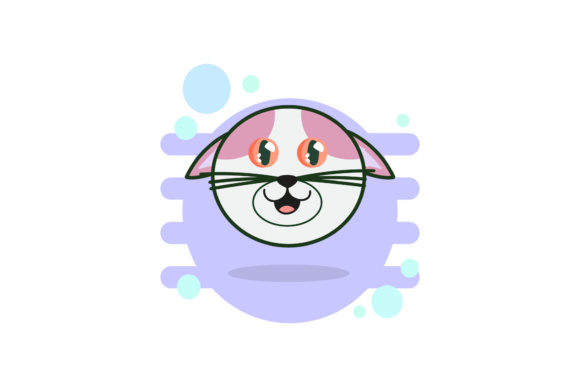
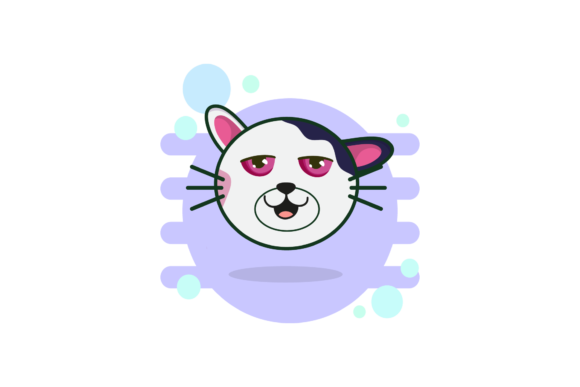
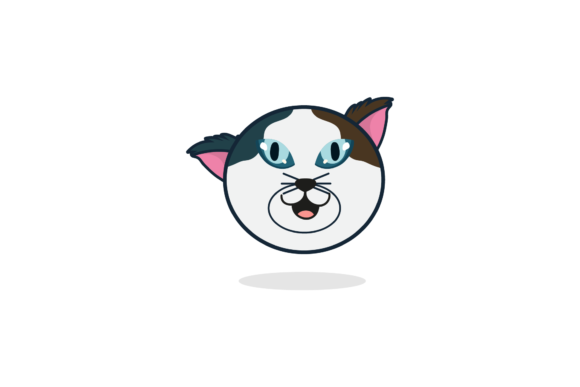
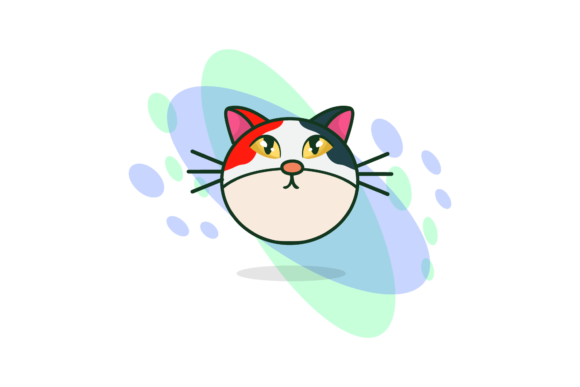
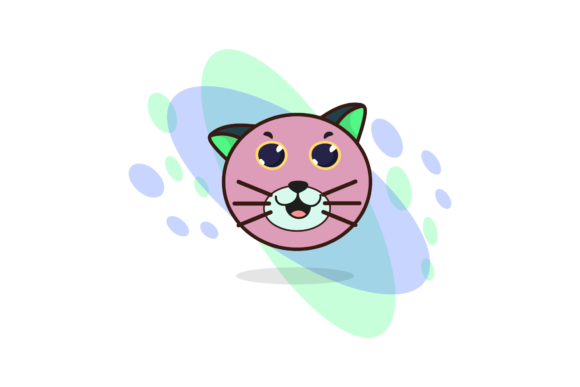
The Cat Head design immediately conveys a sense of whimsy and charm. Its clean lines and expressive features make it ideal for a variety of embroidery styles. The layout is well-balanced, with enough detail to stand out without being overly complex. It has a modern yet nostalgic feel, making it suitable for both casual and more refined projects.
This design works best as an applique design or a satin stitch-based embroidery file. Its simplicity allows for easy customization, whether you’re adding it to a tote bag design or a baby onesie. The visual personality of Cat Head is friendly and approachable, which makes it perfect for personalized gifts and small shop products.
Real-World Use Cases: Where Cat Head Shines
Imagine preparing a custom embroidered sweatshirt for a client who wants something unique but not too bold. Cat Head would be an excellent choice. Its size and structure fit well on standard hoop sizes, making it easy to stitch onto t-shirts, caps, and even aprons. For a craft business, this design could be used as a printable mockup or as part of a digital product preview.
It also lends itself well to holiday embroidery projects. A Cat Head embroidered pillow cover or tea towel could be a hit during the holidays, especially if paired with seasonal colors or text. As a boutique brand, this design could be a key element in your product lineup, offering a consistent visual identity across different items.
For Etsy sellers and handmade shop owners, Cat Head provides a reliable base for creating custom apparel, patches, and nursery decor. Its clear stitching path ensures that even beginners can achieve good results with proper technique.
Where to Be Cautious: Limitations and Considerations
While Cat Head is generally user-friendly, there are a few areas where caution is needed. If you’re working with small hoop sizes, you may need to adjust the design or split it into sections. This is especially important when stitching on curved surfaces like caps or on thin fabrics where stability is a concern.
On dark fabric, the contrast between the thread colors and the background becomes crucial. You’ll want to test the design in black and white mockups to ensure visibility. Similarly, on textured or stretchy fabrics, the design might not sit as smoothly as on smooth, stable materials.
If you plan to use Cat Head for layered garments or products that require frequent washing, pay attention to stitch density and stabilizer use. A dense fill stitch could cause puckering or distortion over time. Always test the design on scrap fabric before committing to a finished product.
Impact on Visual Appeal and Customer Trust
Cat Head adds a touch of personality to any embroidery project. Its clarity and consistency help build trust with customers, especially when used in commercial embroidery or as part of a branded product line. A well-executed Cat Head design can increase the perceived value of a handmade product, making it more appealing to buyers looking for unique, custom items.
When used effectively, this design enhances the giftability of your products. Whether it’s a personalized baby item, a custom tote bag, or a holiday ornament, Cat Head brings a level of creativity that resonates with buyers. It also supports brand consistency, ensuring that your products maintain a cohesive look across different items and platforms.
Practical Designer Notes: Tips for Success
Before using Cat Head in your next project, here are a few practical tips to keep in mind:
- Test on scrap fabric: Always test the design on the actual fabric you plan to use. This helps identify any issues with stitch density, thread color contrast, or fabric texture.
- Check thread colors: Ensure the chosen thread colors work well with your fabric. Light and dark backgrounds may require different color choices.
- Review stitch density: Adjust the stitch density if needed to prevent puckering or distortion, especially on delicate or stretchy fabrics.
- Confirm hoop size: Make sure the design fits within your hoop size. If not, consider splitting the design or adjusting the scale.
- Inspect small details: Pay close attention to intricate areas like the cat’s eyes or ears. These can sometimes get lost if the design isn’t properly optimized.
- Use proper stabilizer: Stabilizer is essential for maintaining the integrity of the design, especially on lightweight or stretchy fabrics.
- Verify licensing: If you plan to sell finished items or digital products, confirm the licensing terms to avoid any legal issues.
Final Thoughts: A Reliable Choice for Creative Entrepreneurs
Cat Head is a solid machine embroidery design that offers flexibility and appeal for a wide range of projects. Whether you're an embroidery hobbyist, a small shop owner, or a digital product seller, this design can add value to your offerings. Its clean layout and expressive character make it a great asset for custom apparel, personalized gifts, and commercial embroidery projects.
With careful consideration and proper technique, Cat Head can become a staple in your design library. Just remember to test, adjust, and adapt based on your specific needs and materials. This approach will help you maximize the potential of this design while delivering high-quality results to your clients and customers.