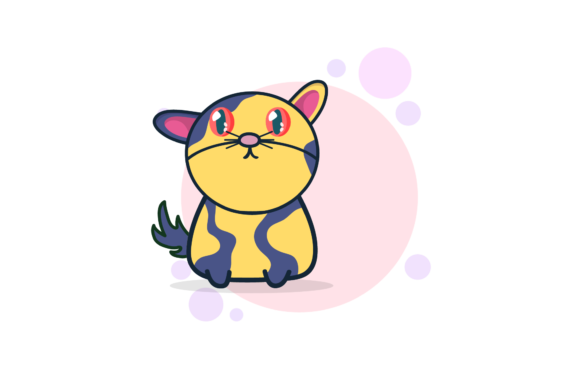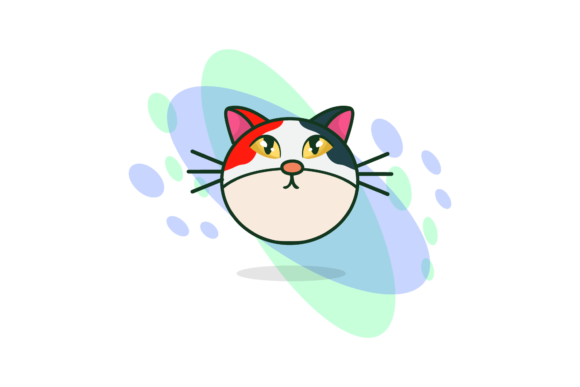
Angry Cat Embroidery Design
As an embroidery designer and product reviewer, I've evaluated countless machine embroidery designs. Angry Cat stands out as a bold, expressive icon that can elevate a wide range of handmade products and commercial projects. Its dynamic shape and clear visual identity make it a versatile choice for custom apparel, baby items, and personalized gifts.
First Impressions: A Bold and Expressive Design
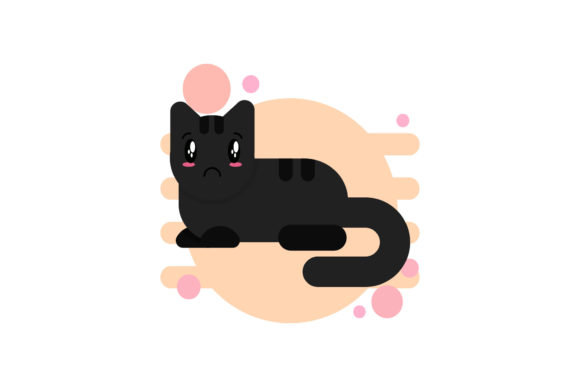
Angry Cat immediately conveys a sense of personality and energy. The design features a stylized cat with exaggerated eyes and a furrowed brow, capturing the essence of frustration or determination. The layout is clean, with a strong central focus that makes it ideal for embroidery projects where clarity and impact are key.
The level of detail is moderate, allowing for easy stitching without overwhelming the fabric. It’s not overly complex, which means it works well on a variety of materials and hoop sizes. The design feels like it was crafted with practicality in mind, making it suitable for both personal and commercial use.
Real-World Use: From Tote Bags to Holiday Gifts
When considering real-life applications, Angry Cat fits naturally into custom apparel, such as tote bags, sweatshirts, and t-shirts. Its size and structure make it a great fit for medium-sized hoops, ensuring that the design remains sharp and recognizable after stitching.
For baby items, the design could be used on onesies, blankets, or nurseries. However, I would recommend testing it on a small scale first, especially if the fabric is thin or stretchy. The design’s simplicity helps maintain visibility on darker fabrics, but contrast with thread colors is still important.
Angry Cat also has potential for holiday and wedding gifts. As a decorative element on aprons, pillow covers, or kitchen towels, it adds a unique touch that can appeal to cat lovers and those looking for quirky, handmade items.
Where to Be Cautious: Fabric and Stitching Considerations
While Angry Cat is generally easy to work with, there are some situations where care is needed. On small hoop sizes, the design might appear slightly compressed or lose some detail. For textured or stretchy fabrics, extra stabilizer may be necessary to prevent distortion during stitching.
On thin or dark fabrics, the design may require careful selection of thread colors to ensure visibility. If the design is going to be used on layered garments or curved surfaces like caps, test it first to avoid issues with stitch density or alignment.
Detailed corners and tiny elements may need extra attention, especially if the design is being used for applique or satin stitch. Check for any areas that might become too dense or lose definition during the embroidery process.
Impact on Visual Appeal and Customer Perception
Angry Cat has the potential to enhance the visual appeal of any finished product. Its bold, recognizable style can make a handmade item stand out on Etsy or at a craft fair. Customers often respond positively to unique, character-driven designs, and this one offers a fun, engaging look that can increase buyer engagement.
For small shop owners and digital product sellers, the design can add value to printable mockups and digital assets. It’s also a good fit for brand consistency, especially for businesses targeting a younger, more playful audience.
When used effectively, Angry Cat can contribute to a professional appearance, whether it's on a custom t-shirt or a boutique product. Its clarity and expressiveness help build trust with customers who are looking for quality and uniqueness in their purchases.
Practical Designer Notes: Testing and Preparation
Before using Angry Cat in a project, I always recommend testing it on scrap fabric. This allows you to see how the design looks in different thread colors and fabric textures. Pay close attention to stitch density and how the design holds up on various materials.
Check the hoop size requirements and ensure that your machine can accommodate the design. For intricate details, consider using a running stitch or adjusting the fill stitch settings to maintain clarity.
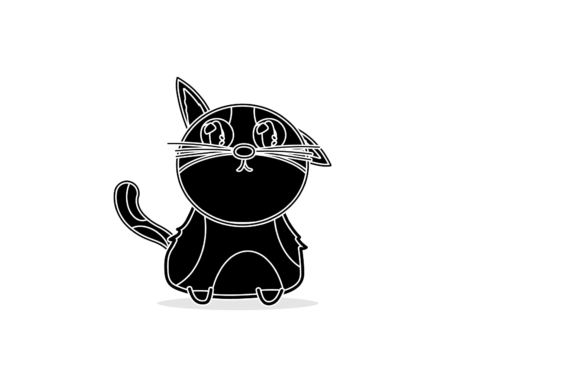
If the design is intended for commercial use, confirm the licensing terms before selling finished items or digital products. Make sure it works well in black and white mockups, as this can affect how it appears on different backgrounds.
Finally, always use the proper stabilizer for the fabric type, especially when working with delicate or stretchy materials. This will help maintain the integrity of the design and ensure a polished, professional finish.