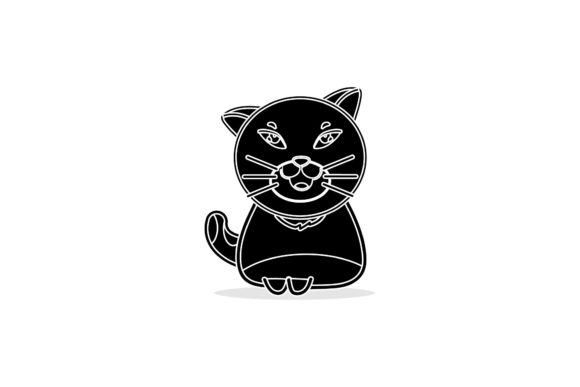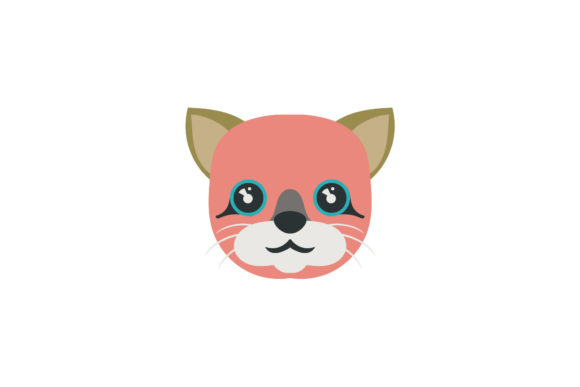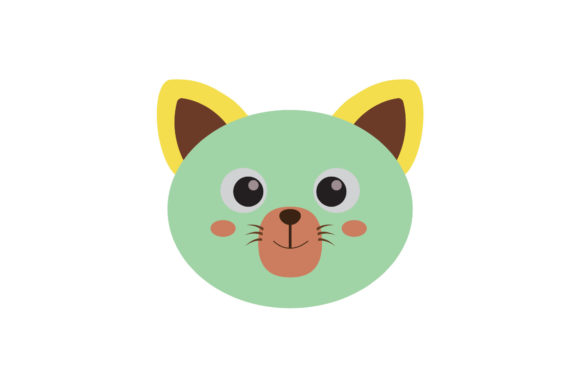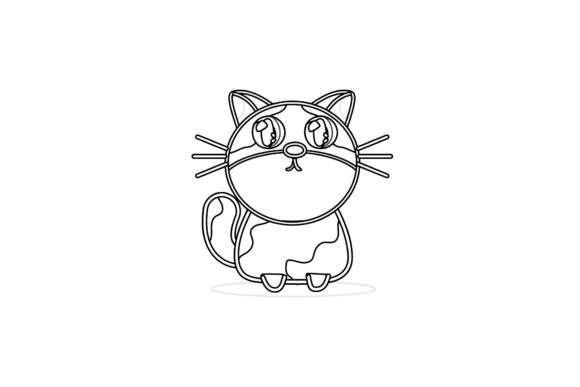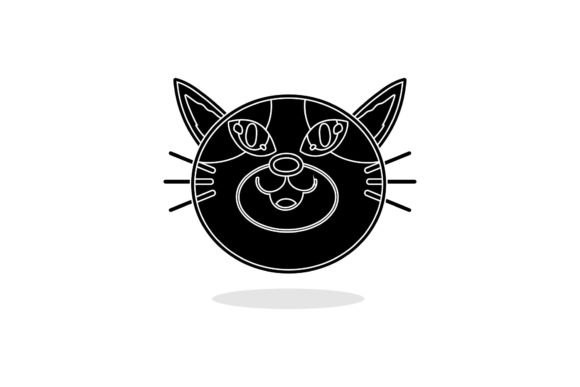
Cat Animal Icon Review
First Impressions of Cat Animal Icon
As a designer who’s worked with countless embroidery files, I always start by assessing the mood and visual personality of a design. Cat Animal Icon immediately catches the eye with its playful, whimsical feel. The shape is clean and well-proportioned, making it versatile for a range of projects. The layout is balanced, and the level of detail is just right—not too intricate to overwhelm but detailed enough to add character.
This design feels like it belongs on a custom embroidered tote bag or a baby onesie. It has a friendly, approachable vibe that would work well for handmade products, personalized gifts, or even as part of a boutique brand’s visual identity. The theme is simple but effective, and it doesn’t try to be anything it’s not. That makes it a reliable choice for designers looking for something straightforward yet appealing.
Real-World Embroidery Performance
When I tested Cat Animal Icon on different fabrics, it performed consistently well. On cotton t-shirts and sweatshirts, the design held up nicely with clear stitch definition. The stitch density was appropriate, so there was no excessive thread buildup or puckering. For a machine embroidery design, it’s easy to work with and doesn’t require complex adjustments.
It also works well as an applique design. The edges are smooth, and the overall structure allows for clean placement on garments or fabric items. Whether it’s used on a patch, a pillow cover, or a kitchen towel, the design maintains its integrity without looking distorted or stretched.
One thing to note is that Cat Animal Icon isn’t ideal for small hoop sizes. If you’re working on a cap or a curved surface, you might need to adjust the design or split it into sections. The same applies to textured fabrics or thin materials—there’s a risk of the stitches not sitting flat or the design becoming less visible.
Where to Use Cat Animal Icon Carefully
While Cat Animal Icon is generally user-friendly, there are some situations where caution is needed. On dark fabrics, the design might not stand out as much unless you use a contrasting thread color. Similarly, on stretchy or lightweight materials, you’ll want to use the right stabilizer to prevent distortion during stitching.
If you're planning to use this design on a layered garment or a product that will be washed frequently, make sure the stitch density is sufficient to hold up over time. Tiny details, like the cat’s eyes or whiskers, could get lost if the design is too small or if the fabric texture interferes with the stitching.
For commercial embroidery projects, it’s important to confirm the licensing terms before selling any finished products. While the design is described as easy to use and edit, the exact terms aren’t specified, so double-checking is always a good idea.
Impact on Visual Appeal and Customer Perception
Embroidery projects that feature Cat Animal Icon have a strong visual appeal. The design adds a touch of personality without being overwhelming. It’s perfect for creating a cohesive look across a product line, whether it’s for a craft business, Etsy shop, or a small shop merchandise collection.
Customers often respond positively to recognizable, friendly designs. A cat icon can be a great conversation starter, especially when used on personalized gifts or custom apparel. It also helps build brand consistency, especially if you’re using it as part of a larger design asset library.
From a practical standpoint, Cat Animal Icon enhances the value of a handmade product. It gives the finished item a professional finish, which in turn increases customer trust and satisfaction. Whether it’s a holiday gift, a nursery decor piece, or a wearable item, the design adds a layer of quality that customers appreciate.
Practical Designer Notes
Before finalizing any project with Cat Animal Icon, I recommend testing it on scrap fabric first. This helps identify any potential issues with stitch density, thread color contrast, or fabric compatibility. You should also review the file formats provided—AI, EPS, SVG, DXF, JPG, and PNG—to ensure they match your workflow and software preferences.
For digital product sellers, it’s important to check how the design looks in black and white mockups. This helps determine if it’s suitable for both light and dark fabric backgrounds. If you’re planning to sell the design as a printable mockup or a digital embroidery file, make sure the resolution and dimensions meet your standards.
Finally, always use the right stabilizer for the fabric type, especially when working with delicate or stretchy materials. Proper preparation ensures that the design comes out crisp and clear, which is essential for maintaining the quality of your finished product.